 BELENTEPE
BELENTEPE
BELENTEPE
Su Tutma & DepolamaWater Harvesting & Storage
Toprağı canlandırmak ve su tutmak ilk ve en önemli işlerimizdir. Doğru yöntemlerle araziye düşen yağışın %85'i tutulabilir.Bringing soil to life and capturing water are our first and most important tasks. With the right methods, up to 85% of the rain that falls on the land can be retained.
Arazinizde bereket için yapılacak belki de ilk iş su tutmadır. Üzerine düşen yağışı olabildiğince arazi içinde depolamaya ve toprak içinde tutmaya çalışmalıyız. Peki neden bu kadar önemli?The first thing to do for abundance on your land may well be to harvest water. We should store as much of the rain that falls as possible — on the land and within the soil. So why does it matter so much?
İşte bu yüzden "kendi ihtiyacımız için kendi suyumuzu tutmak" yapabileceğimiz en önemli işlerin başında gelir.This is why "harvesting our own water for our own needs" is among the most important things we can do.
Su Tutma YöntemleriWater-Harvesting Methods
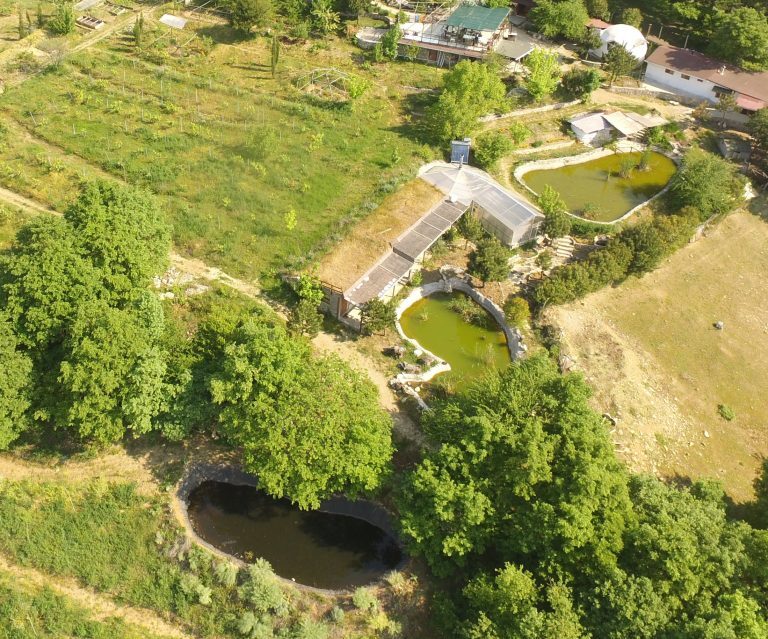
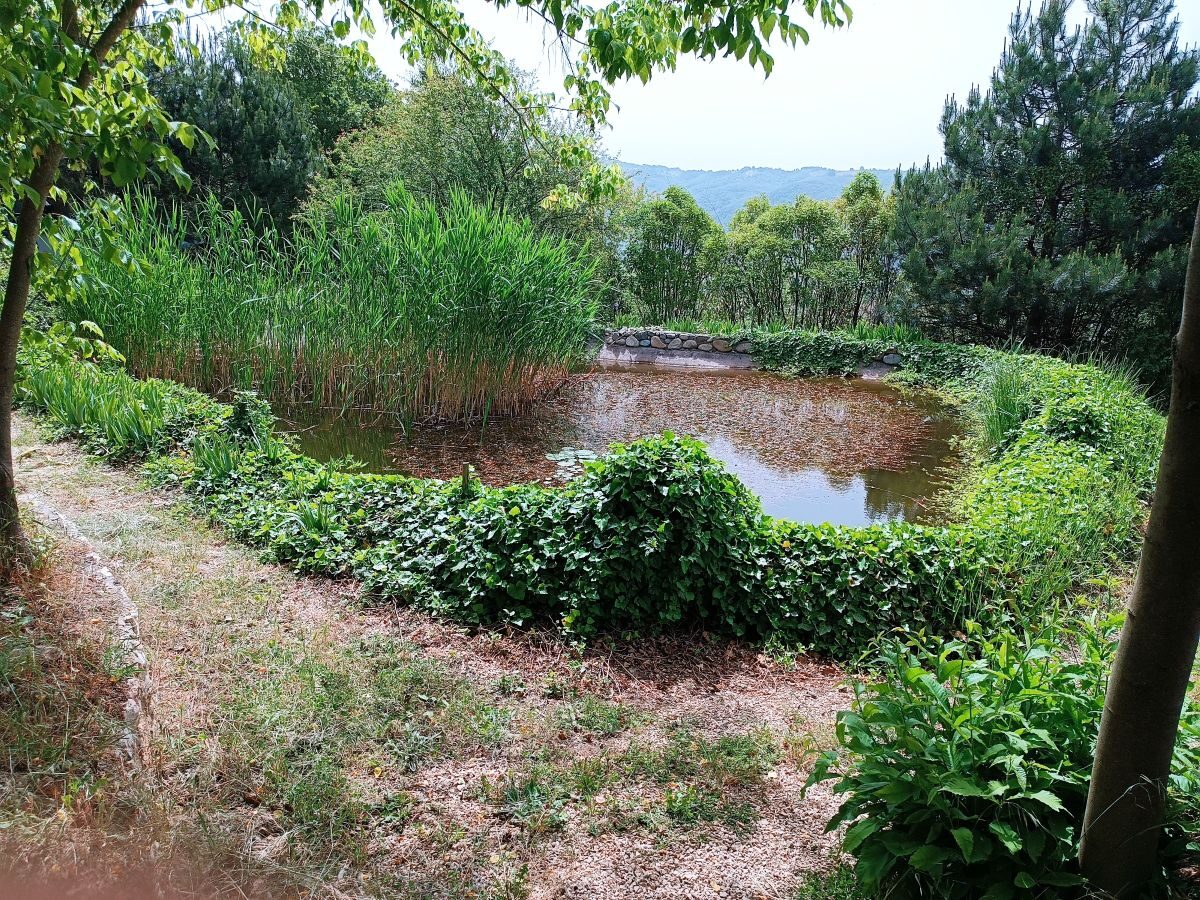
Bugün arazideki göletlerimiz havadan.Our ponds today, seen from above.
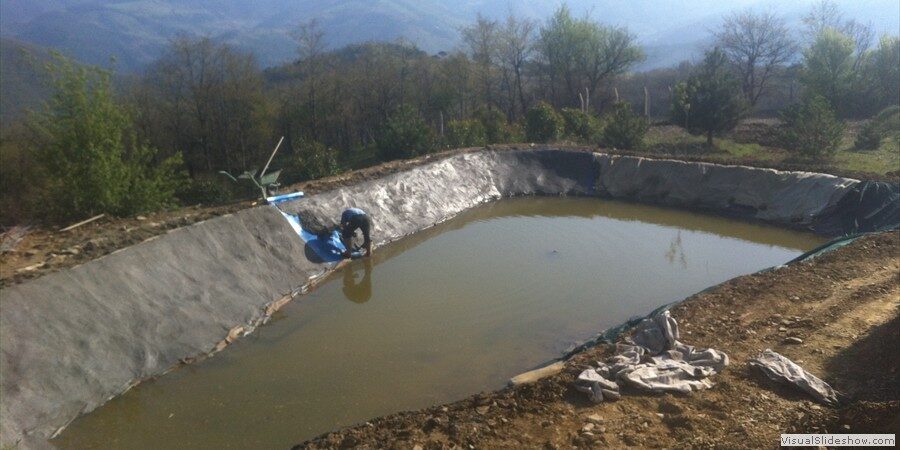
Belentepe'de başlangıçta hiç suyumuz yoktu. Öyle ki, bağ evinin su ihtiyacı için yıllarca 1 km mesafedeki kaynaktan 500 litrelik depolarla su taşındı. Kendi ihtiyacımıza su yetmezken araziyi sulamak hayaldi. İşte bu yüzden su tutmak ilk ve en önemli çabamız oldu.At Belentepe we had no water at all in the beginning. For years we even hauled water in 500-litre tanks from a spring 1 km away just for the house. When we couldn't meet our own needs, irrigating the land was a dream. That is why harvesting water became our first and most important effort.
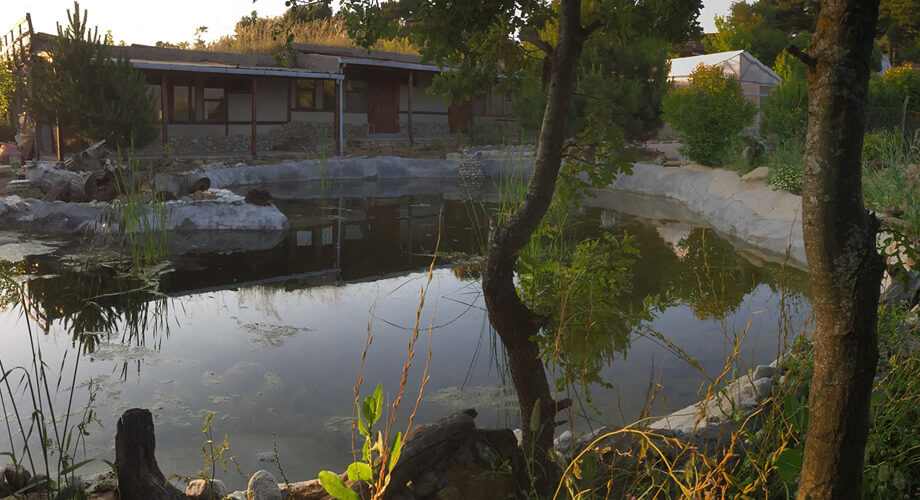
Bugün arazideki göletlerde ve yeraltı su depolarında suyumuzu topluyor, suda kendine yeter hale geliyoruz. Başta hiç suyumuz yokken, şimdi su zenginiyiz.Today we collect our water in ponds and underground depots across the land, becoming self-sufficient in water. Where once we had none, we are now rich in water.
Meyilli arazide suyun aşağıya akıp gitmesini önlemek için önce hendekleme yaparız. Hendekler, arazinin eş yükselti eğrilerine paralel olacak şekilde, meyil bitene kadar 5–10 metre aralıklarla açılır.On sloping land we first dig swales to stop water running off downhill. They are cut parallel to the contour lines, 5–10 metres apart, all the way down the slope.
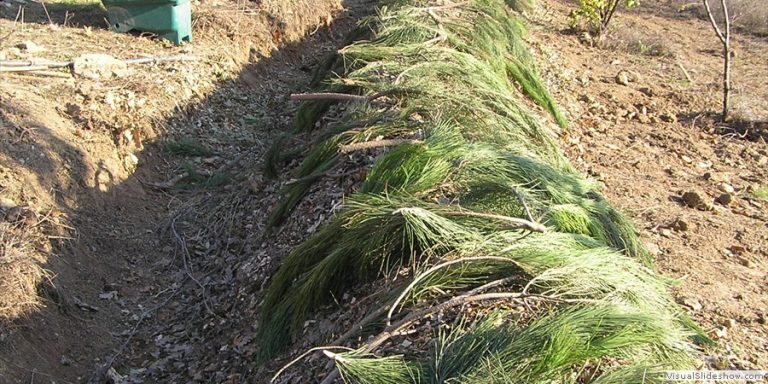
Eş yükselti eğrilerine paralel açılan hendekler ve teraslar.Swales and terraces cut along the contour lines.
Böylece su hendeklerde hapsolur; biriken fazla su alt hendeklere, en alttaki hendekten de bir gölete yönlendirilebilir. Hendekte tutulan suyu toprak emer. Hendeğin çukur kısmına malç, yaprak ve dal konursa bölge daha çok su tutar; çürüyen organik maddeler gübreye dönüşür ve hendek çevresinde bir gıda ormanı için altyapı hazırlanmış olur.Water is held in the swales; any excess flows to lower swales and, from the lowest one, can be directed into a pond. The soil drinks in the trapped water. If the trench is filled with mulch, leaves and branches it holds even more, the decaying matter turns to fertiliser, and the ground is prepared for a food forest along the swale.
Başta hiç suyumuz yokken, doğru yöntemlerle su zengini olduk.From having no water at all, the right methods made us rich in water.
Atık gri suların filtrelenerek yeniden kullanılması da su tutmanın bir parçasıdır. Bu konuyu Geri Dönüşüm sayfamızda anlatıyoruz.Filtering and reusing greywater is also part of water harvesting. We cover it on our Recycling page.
İzleyinWatch
Aşağıdaki oynatma listesinden bir videoyu seçip izleyin.Pick a video from the playlist below and play it.
Devam edinKeep exploring
Nisan–Kasım arası atölyelere katılın ya da çiftlikte konaklayın.Join a workshop between April and November, or stay on the farm.